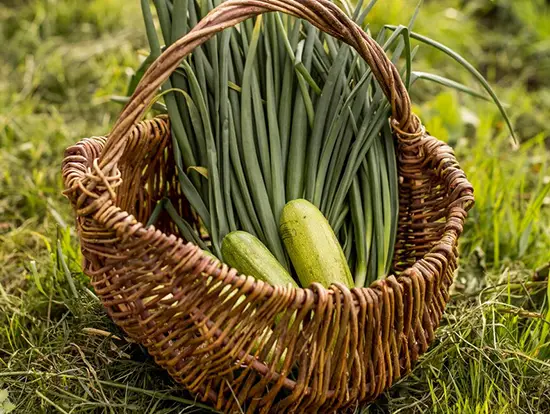
Nigeria, Africa’s largest economy, is not only rich in oil and gas but also blessed with fertile land and diverse agro-climatic zones. Agriculture contributes significantly to Nigeria’s GDP, and in recent years, the global demand for Nigerian agricultural exports has surged—creating massive opportunities for farmers, exporters, and digital entrepreneurs.
In this comprehensive guide, we explore the top 10 agricultural export products from Nigeria that are in high demand globally, their market potential, and how platforms like Comilmart are revolutionizing access to these products.
📈 Why Nigerian Agricultural Exports Are Booming
- Global shift toward organic and tropical products
- Nigeria’s strategic location and trade agreements
- Government incentives for non-oil exports
- Digital platforms simplifying trade logistics
Whether you’re an exporter, investor, or agropreneur, understanding these high-demand products is key to tapping into global markets.
🥇 1. Cocoa Beans
Global Demand: Over $10 billion annually
Top Importers: Netherlands, Germany, USA, Malaysia
Nigeria is the 4th largest producer of cocoa globally. Cocoa beans are used in chocolate, cosmetics, and pharmaceuticals. Nigerian cocoa is prized for its rich flavor and low cadmium content.
Export Tip: Focus on fermented, dried beans with proper grading.
Resource: International Cocoa Organization
🥈 2. Sesame Seeds
Global Demand: Rising due to health trends
Top Importers: Japan, China, Turkey, South Korea
Sesame seeds are used in tahini, oil, and bakery products. Nigeria ranks among the top 5 global exporters of sesame seeds.
Export Tip: Ensure seeds are cleaned, dried, and packaged to international standards.
Resource: Sesame Market Analysis – FAO
🥉 3. Ginger
Global Demand: $3 billion+
Top Importers: India, USA, UK, Netherlands
Nigerian ginger is known for its high oil content and pungency. It’s used in food, beverages, and medicine.
Export Tip: Dried split ginger fetches higher prices.
Resource: Ginger Export Guide – NEPC
🏅 4. Cashew Nuts
Global Demand: $6 billion+
Top Importers: Vietnam, India, USA
Nigeria produces over 220,000 metric tons annually. Cashew nuts are consumed as snacks and used in confectionery.
Export Tip: Raw cashew kernels must meet moisture and grading standards.
Resource: Cashew Handbook – ITC
🏆 5. Palm Kernel Oil
Global Demand: Used in cosmetics, food, and biofuels
Top Importers: India, Netherlands, China
Palm kernel oil is extracted from the seed of the oil palm fruit. Nigeria is a major producer, and demand is growing for sustainably sourced oil.
Export Tip: Focus on refined oil with traceability documentation.
Resource: Palm Oil Trade Insights – RSPO
🥭 6. Dried Split Ginger
Global Demand: High in herbal and wellness markets
Top Importers: Germany, USA, UAE
Dried ginger is easier to store and ship. Nigerian ginger is preferred for its strong aroma and medicinal value.
Export Tip: Use solar drying and hygienic packaging.
Resource: Ginger Export Standards – SON
🌰 7. Shea Butter
Global Demand: $2 billion+
Top Importers: France, USA, Japan
Shea butter is used in cosmetics, skincare, and pharmaceuticals. Nigeria’s shea nuts are rich in vitamins A and E.
Export Tip: Unrefined shea butter is preferred for organic markets.
Resource: Shea Network Africa
🌾 8. Hibiscus Flower (Zobo)
Global Demand: Herbal tea and natural dye industries
Top Importers: Mexico, Germany, USA
Hibiscus sabdariffa, locally known as Zobo, is exported in dried form. It’s used in teas, beverages, and cosmetics.
Export Tip: Ensure flowers are sun-dried and free from contaminants.
Resource: Hibiscus Export Guide – NEPC
🌿 9. Tiger Nuts
Global Demand: Health food and dairy alternatives
Top Importers: Spain, UK, USA
Tiger nuts are rich in fiber and used in plant-based milk and snacks. Nigeria’s variety is naturally sweet and organic.
Export Tip: Wash, dry, and package hygienically for EU markets.
Resource: Tiger Nut Market Trends – AgriTrade
🌽 10. Maize (Corn)
Global Demand: Animal feed, ethanol, and food industries
Top Importers: China, Mexico, Japan
Nigeria produces millions of tons of maize annually. Export-grade maize must meet moisture and aflatoxin standards.
Export Tip: Use mechanical drying and fumigation.
Resource: Maize Export Guidelines – USDA
🛒 Where to Source and Export These Products: Comilmart
If you’re looking to source, sell, or export Nigerian agricultural products, Comilmart is your go-to platform. It connects verified suppliers, exporters, and buyers across Nigeria and beyond.
Why Choose Comilmart?
- ✅ Trusted by agropreneurs and exporters
- ✅ Verified listings and secure transactions
- ✅ Logistics and export support
- ✅ SEO-optimized product pages for visibility
Whether you’re exporting sesame seeds to Turkey or sourcing shea butter for a skincare brand in France, Comilmart simplifies the process.
📊 Export Tips for Nigerian Agropreneurs
- Register with NEPC for export certification
- Use SON and NAFDAC guidelines for product quality
- Partner with freight forwarders for global shipping
- Leverage digital platforms like Comilmart for visibility
- Build a brand around quality and sustainability
📌 Final Thoughts
Nigeria’s agricultural sector holds immense potential for global trade. With rising demand for organic, tropical, and wellness-focused products, now is the time to tap into export opportunities. Platforms like Comilmart are making it easier than ever to connect with buyers, streamline logistics, and grow your agro-export business.
Ready to start exporting?
👉 Visit Comilmart.com and explore verified suppliers today.